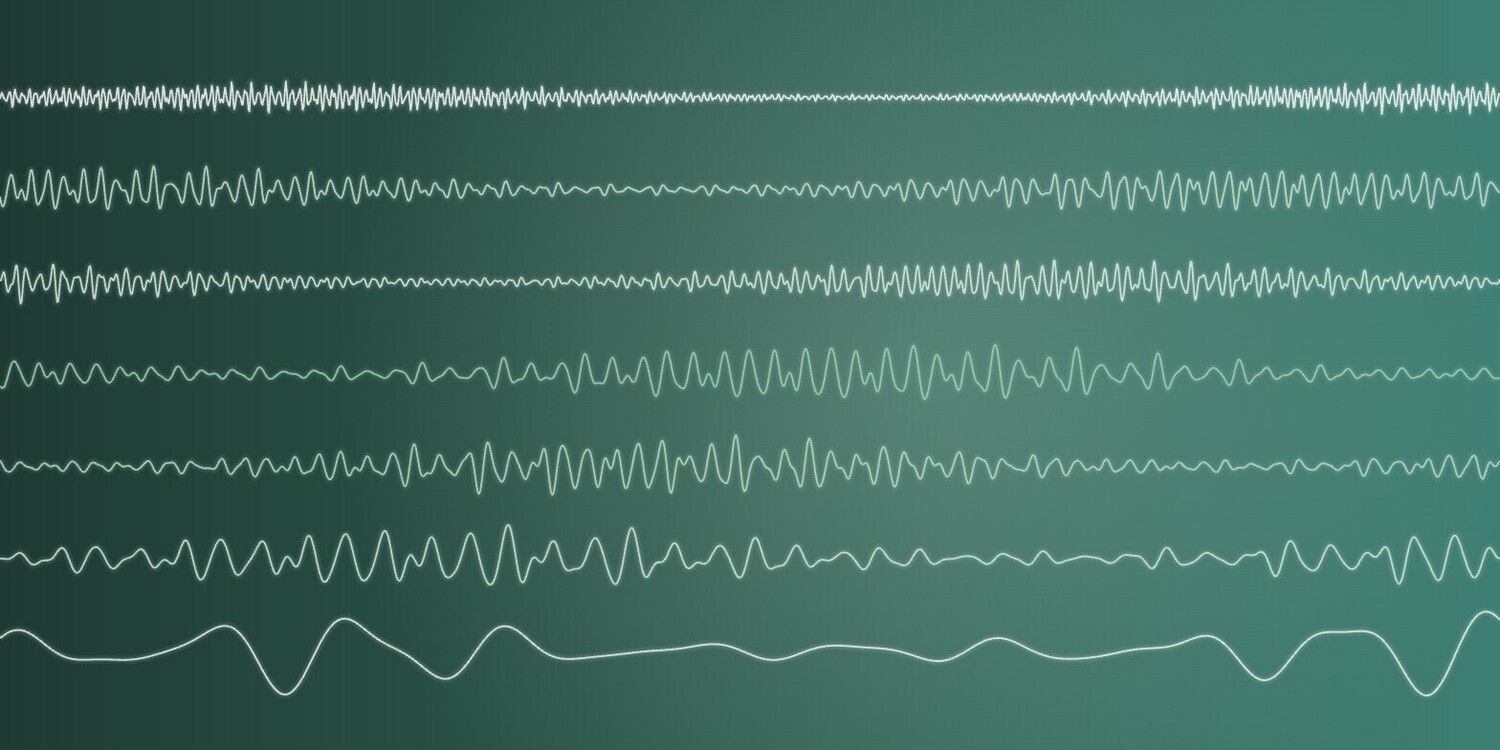
Your brain's been running in the background your whole life. It's never once been shown what it's doing.
That's the simple idea behind neurofeedback.
We've added NeurOptimal® neurofeedback at Shiloh. Before you book, I want you to know what it is, what it isn't and why I chose this system over the others.
What neurofeedback actually is
Neurofeedback is brain training. That's it.
Your brain is always producing electrical activity. Small sensors on your scalp can read that activity in real time, the same way a heart monitor reads your heartbeat.
The "feedback" part is what makes it interesting. A computer takes what your brain's doing and reflects it back to you, usually through sound or a picture on a screen.
Your brain notices.
Think of it like a mirror. You don't need anyone to tell you your collar's crooked. You see it in the mirror and your hand fixes it. Neurofeedback gives your brain a mirror it's never had.
Nothing goes into you. No current, no stimulation, no needles. The sensors only listen.
How most neurofeedback works
Neurofeedback isn't new. Researchers started exploring it back in the 1960s, when they found people could learn to shift their own brainwave patterns once they could see them.
Most systems since then follow the same basic approach:
- Map the brain first. You get a qEEG, a detailed brain map, and it's compared against a database of "typical" brains.
- Pick a protocol. The practitioner decides which brainwave frequencies to encourage or discourage, and where to place the sensors.
- Reward the target. During sessions, the system rewards your brain when it moves toward the chosen pattern, like a video game that plays when you're "doing it right."
It's a reasonable model. It's also a model built on someone else deciding what your brain should look like.
That's where I got stuck.
What makes NeurOptimal® different
NeurOptimal® doesn't decide what your brain should be doing. It just shows your brain what it's doing.
It was developed by Drs. Susan and Valdeane Brown of Zengar Institute, and it's a form of Non-Linear Dynamical Neurofeedback®. In plain language, here's what that means for you:
- No brain map required. There's no qEEG and no diagnosis needed to start. It isn't evaluating you or labeling you.
- No protocol. Nobody picks a target frequency. The system works with your brain's activity moment to moment, as it changes.
- No reward and no punishment. When the system detects a significant shift in your brain's activity, the music briefly pauses. That pause isn't a correction. It's information.
Your brain gets to notice its own patterns, and do what it wants with that information.
This matters to me. I've spent years looking for the root of what's going on in a person, not slapping a label on the symptom. A system that respects your brain's own wisdom fits the way we already work at Shiloh.
Apparently even brains don't like being told what to do.
Want to read the research yourself? Zengar keeps a library of peer-reviewed studies, dissertations and conference papers on their NeurOptimal® research page. I'd rather you look than take my word for it.
What a session looks like at Shiloh
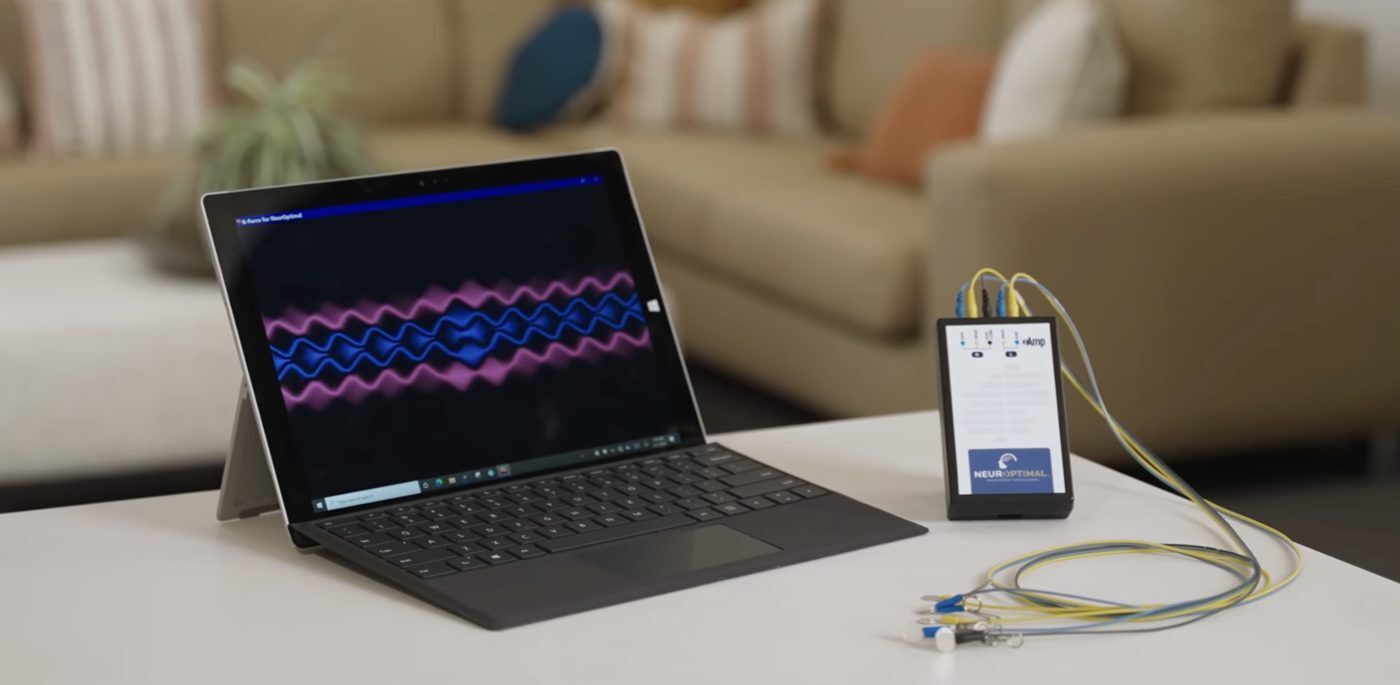
It's the easiest appointment you'll have all week.
- You get comfortable.
- We place the sensors. A few small sensors go on your scalp and ears with a dab of paste. Nothing hurts.
- You listen. Headphones on, music playing. You'll hear the occasional tiny pause in the music. That's your brain getting its feedback.
- You do nothing. Seriously. Read, close your eyes, rest. No task, no effort, no right way to do it.
- Thirty-three minutes later, you're done. We remove the sensors and you go on with your day.
Most people find one session interesting. The real value comes with consistency, so we'll talk through what a series looks like for you.
Every brain is different, so every experience is too. I won't promise you a specific result. I'll promise you a quiet half hour that's entirely yours.
Why I brought it to Shiloh
I kept seeing the same thing in my clients. They're eating well, taking their supplements, doing the work. And their nervous system still never clocks out.
People around the world use NeurOptimal® to support:
- Focus and mental clarity
- Performance and daily efficiency
- Restful sleep and morning refresh
- Stress and emotional ease
- Brain training for longevity
And because nothing goes into you, it's something the whole family can do. All ages.

Some people just want to feel more like themselves. That counts too.
I wanted to give you a place to stop pushing and let your brain have a look around.
Ready to try a session? Call us at 928-800-8153. We'll start with a conversation about what you're hoping for, then get you in the chair.
Bring a book. Or don't. Plenty of people nap.
This article is for educational purposes only and is not medical advice or medical treatment. NeurOptimal® is a training tool. It doesn't diagnose, treat, mitigate, prevent or cure any disease or condition. If you need medical care, please see your physician.

kimberly Kubitza
Contact Me